
Automate with rules.
Move data, send reminders, route requests and update records across your existing systems when the conditions are clear and repeatable.
Example: route an approved request to the right team.AI INTEGRATION & WORKFLOW AUTOMATION
Connect your tools, automate repetitive tasks and apply AI where it helps. Start with one useful workflow and a measurable pilot, with your team in control.
Free initial conversation. No obligation.
WORKFLOW · SCOPE AND CONTROLS VARY BY PROJECT
Read incoming documents, check extracted information and route exceptions to a person before updating your system.
01USE THE RIGHT TOOL FOR EACH STEP
The strongest workflow does not ask AI to make every decision. Give each step the level of control and review it needs.
Move data, send reminders, route requests and update records across your existing systems when the conditions are clear and repeatable.
Example: route an approved request to the right team.Explore summarisation, document extraction, classification or drafting where useful results can be evaluated.
Example: prepare a structured draft from an incoming document.Give staff the context, review steps and exception handling needed before consequential actions are taken.
Example: verify an AI suggestion before updating a customer record.02START SMALL ENOUGH TO LEARN
Choose one task with a repeatable input and an outcome you can evaluate. Compare the pilot with the current process before expanding it.
That means looking at quality, review effort and running costs alongside time saved.
How often does the task happen, how long does it take and what are the common exceptions?
What information is needed, who may access it and what can be shared with each provider?
Use representative examples, agreed quality checks and a clear route for uncertain results.
Account for model usage, integrations, monitoring and the human review that remains.
03AI INSIDE REAL PRODUCTS
AI is useful when it supports a clear product or operational need. These delivered projects illustrate that focus.
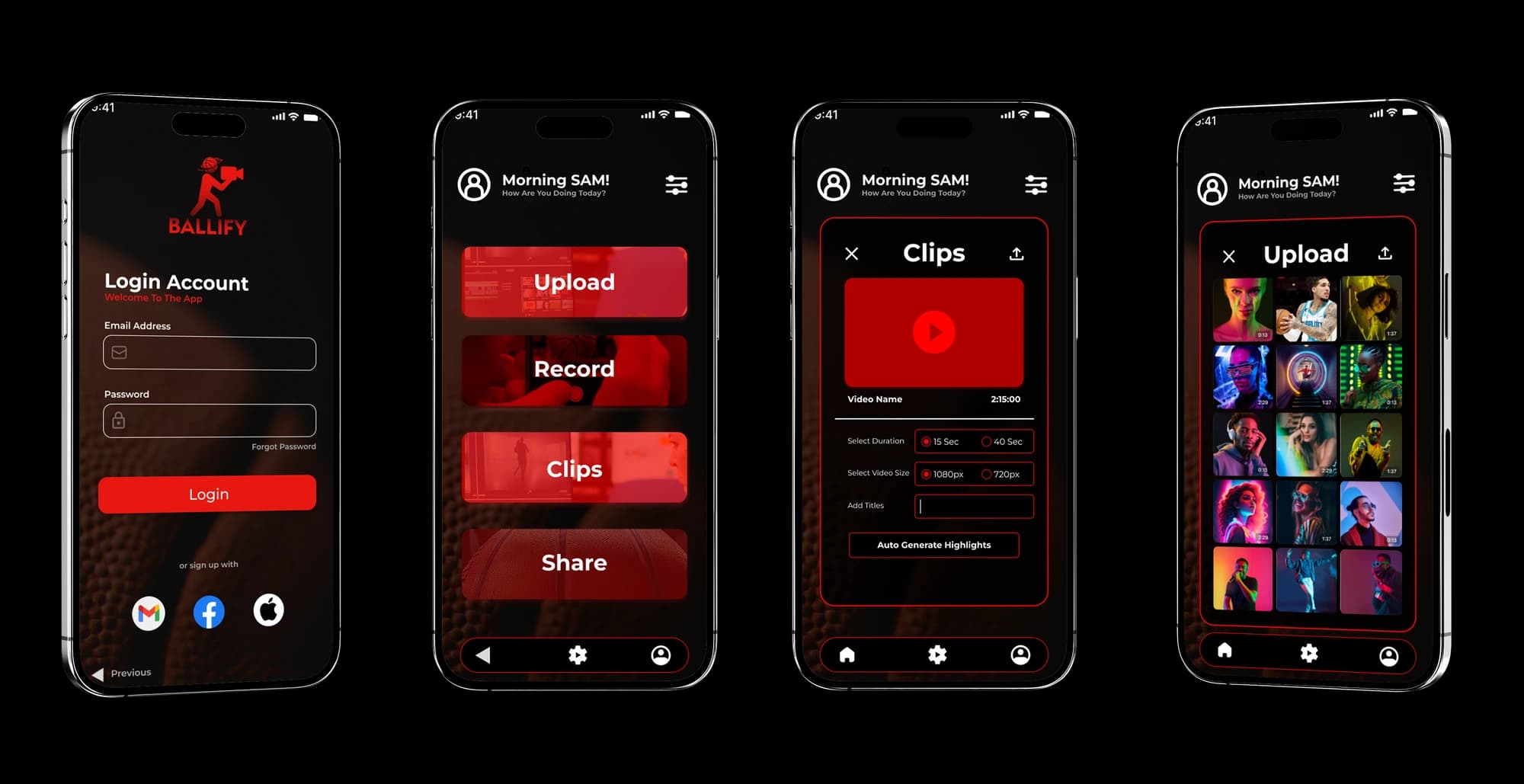 ACTUAL PROJECT · MOBILE APP / APPLIED AI
BALLIFY · VIDEO INTELLIGENCE
Ballify combines mobile uploads with AI-generated basketball highlights, performance analytics and sharing.
The relevant idea: connect the AI capability to a complete workflow, from the source material to an output people can use.
View Ballify case study (opens in a new tab)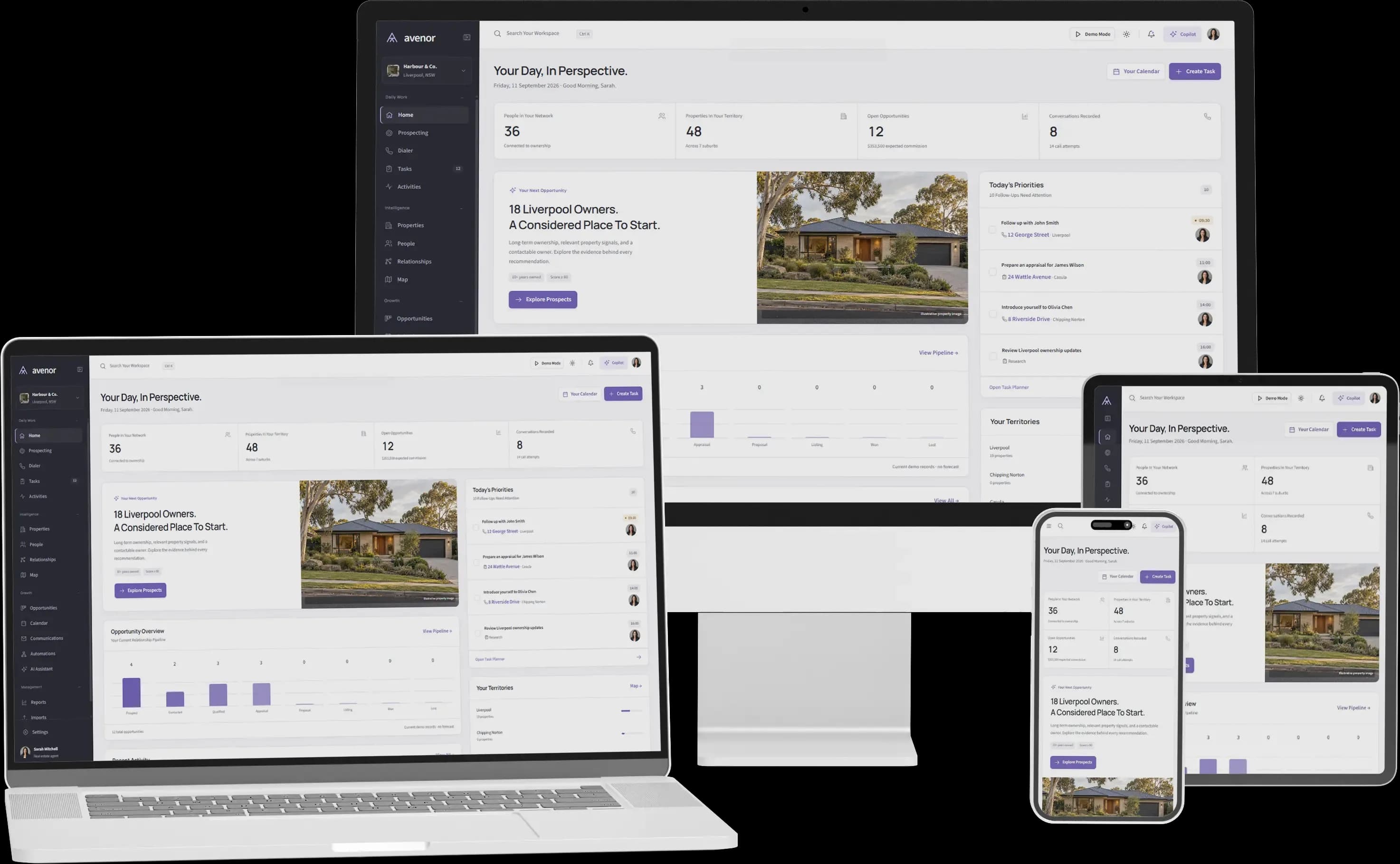 ACTUAL PROJECT · CUSTOM CRM / PROPERTY INTELLIGENCE
AVENOR · PROPERTY INTELLIGENCE
Avenor brings AI insights and automation into a property intelligence CRM with relationship views, maps and a power dialer.
It puts the supporting capability close to the data and actions that matter to the user.
View Avenor case study (opens in a new tab)04A CLEAR ROUTE FORWARD
Map the task, current effort, systems and exceptions. Check whether rules alone are enough.
Agree data access, provider considerations, review points and what success would look like.
Test representative inputs and edge cases. Compare quality, effort and cost with the starting point.
Roll out the useful parts with logging, fallback paths and agreed ownership for ongoing review.
05BEFORE WE GET STARTED
Have a question specific to your project? Let’s talk it through.
Tell us about your projectMany repetitive tasks can be handled with deterministic rules and integrations. AI is worth exploring when the task involves unstructured information or judgement-like assistance and there is a practical way to evaluate the output.
We assess available APIs, permissions and vendor restrictions before defining an integration. Where supported access is limited, we discuss alternatives and the maintenance implications.
The workflow should be designed for imperfect outputs. Depending on the use case, that can include validation, human review, exception queues, logging and a fallback to the existing process. AI accuracy cannot be guaranteed.
Before implementation, we agree the data needed, access controls and the providers involved. Provider terms, retention, data location and any sensitive information need to be reviewed for your requirements. We do not assume that every dataset is appropriate to send to a model.
No. The pilot should measure the result against the current process, including output quality, human review, model usage and maintenance costs. Those findings inform whether further rollout is worthwhile.
A description of one recurring task, how often it happens, the systems involved and anonymised example inputs where appropriate. It also helps to know which decisions must stay with a person.
06YOUR NEXT STEP
Describe one repeatable task. We’ll consider the inputs, the decisions and where automation could help.