
What lets a customer succeed?
Define the smallest complete journey that delivers the product’s main value.
- One clear audience and problem
- The essential user workflow
- Appropriate access and data controls
- A way to collect useful feedback
SAAS PRODUCT DEVELOPMENT
Turn a validated concept into software customers can subscribe to. Bring user journeys, workspaces, payments and backend architecture together in a focused first release, with a plan for continued development.
Free initial conversation. No obligation.
Customer problem
Core user journey
Working product
Accounts & payments
Real user feedback
Next priorities
01THE FIRST RELEASE NEEDS A POINT OF VIEW
An MVP should solve a real problem from beginning to end. Separate what delivers that outcome from what can wait for evidence.
Define the smallest complete journey that delivers the product’s main value.
Keep a visible backlog without turning every future possibility into a launch requirement.
02BENEATH THE CORE EXPERIENCE
These are design decisions to make together, not a feature list every SaaS needs. The first release should include the foundations your business model actually requires.
Sign-up, authentication, onboarding and roles matched to the way people use the product.
Organisation structures and data boundaries where the product serves multiple customer teams.
Payment integration, plans and subscription lifecycle handling where your commercial model needs them.
The operational controls your team needs to help customers and manage the service.
Appropriate storage, backups, monitoring and performance considerations for the agreed requirements.
Connect external services without losing sight of access, vendor costs and failure handling.
03RELEVANT PRODUCT EXPERIENCE
Delivered platforms with gated experiences, payments and operational workflows — useful building blocks when planning a SaaS product.
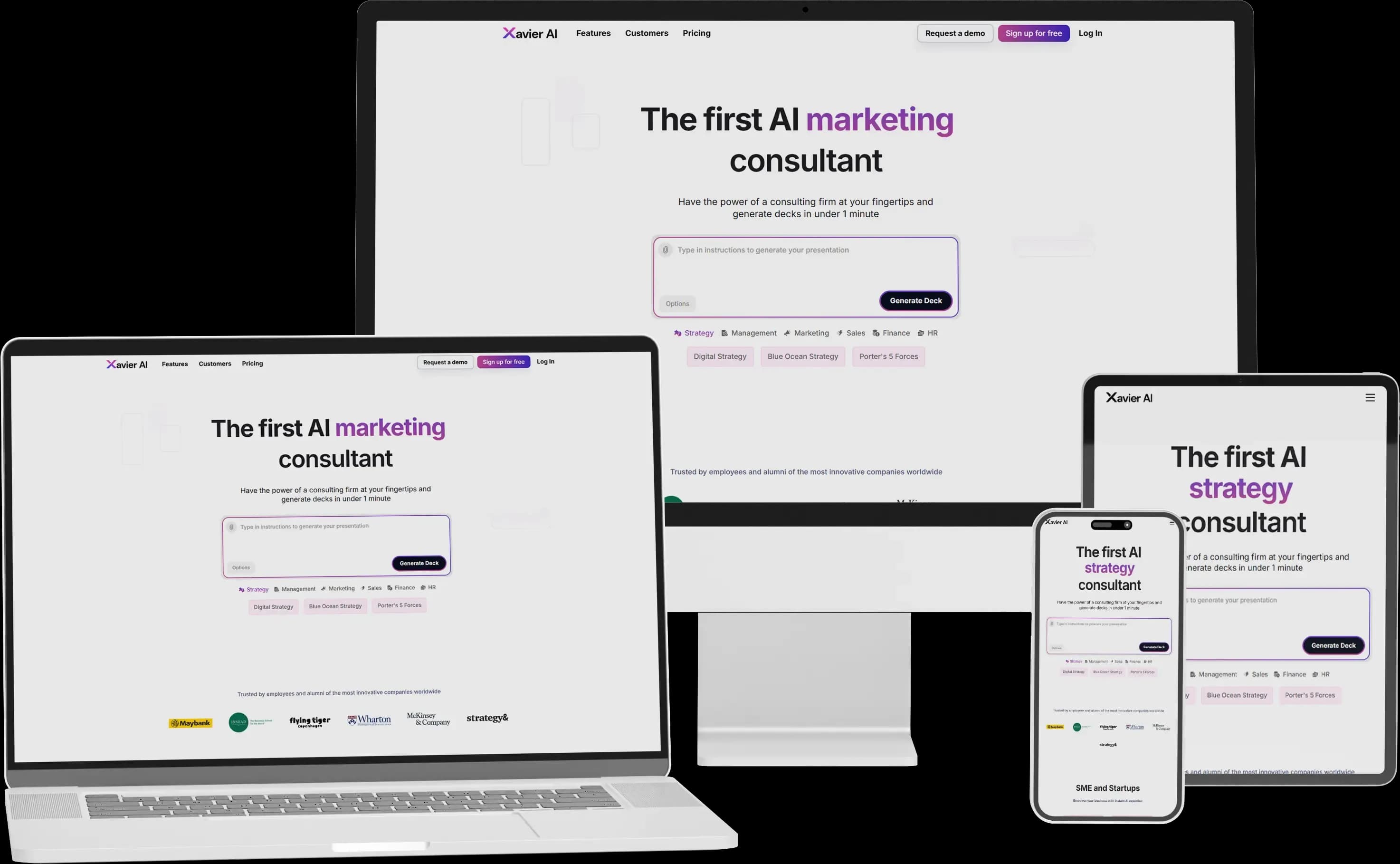 ACTUAL PROJECT · AI PLATFORM / MEMBERSHIP EXPERIENCE
XAVIER AI · STRATEGY PLATFORM
Xavier AI is an AI strategy platform with MemberStack authentication, gated insights and integrated payments.
It brings together the customer-facing experience and the access and payment flows that support it.
View Xavier AI case study (opens in a new tab)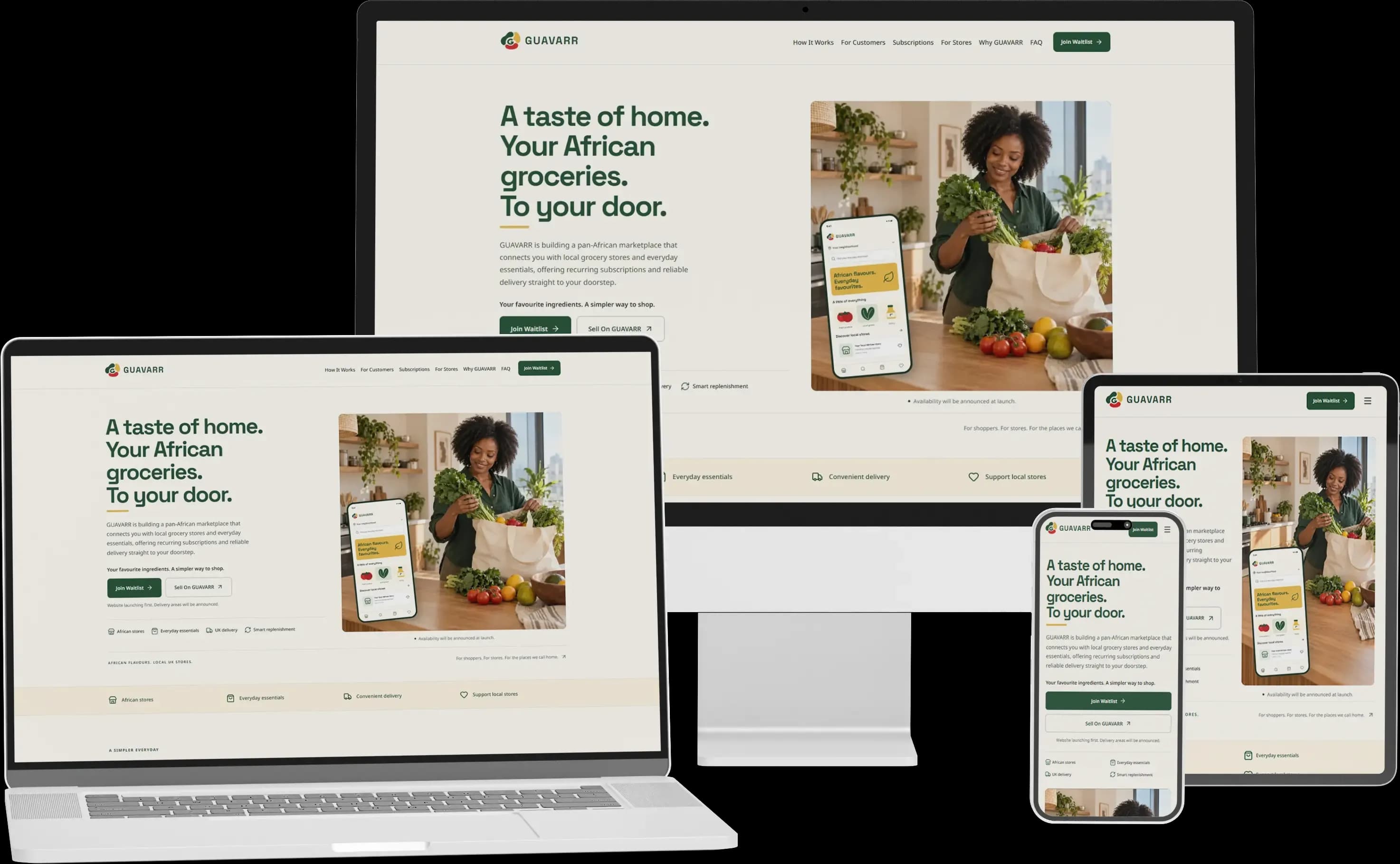 ACTUAL PROJECT · MARKETPLACE / BUSINESS OPERATIONS
GUAVARR · GROCERY MARKETPLACE
GUAVARR combines a grocery marketplace with vendor tools, subscriptions, delivery workflows and dashboards.
The relevant experience is designing the operational side alongside the customer product, rather than leaving it until launch.
View GUAVARR case study (opens in a new tab)04A CLEAR ROUTE FORWARD
Clarify the customer problem, existing evidence and assumptions that need testing.
Define the first release, key journeys and architecture. Separate essential scope from later ideas.
Develop in agreed milestones, test the full journeys and prepare the operational foundations.
Launch the agreed scope, review feedback and prioritise the next iteration.
05BEFORE WE GET STARTED
Have a question specific to your project? Let’s talk it through.
Tell us about your projectYes. We can start by clarifying the audience, problem and core workflow, then use discovery and prototyping to define a buildable first release. Customer demand and product-market fit still need to be validated with your audience.
We can assess the codebase, architecture, hosting and product backlog before proposing changes. The review helps identify technical constraints and whether incremental improvements are practical.
We can include subscriptions, teams and tenant-aware data access where required. Billing rules, permissions, isolation requirements and plan changes need to be designed explicitly rather than assumed.
We agree the core user outcome, prioritise features and define acceptance criteria before development. New requirements are assessed against the agreed scope, budget and release priorities.
Architecture should reflect expected usage and realistic growth scenarios. We can plan monitoring, performance testing and capacity changes, but no architecture removes every future scaling decision or cost.
Ownership, source-code access, intellectual property and third-party licences are defined in the project agreement. We also agree hosting access, documentation and responsibilities after launch.
06YOUR NEXT STEP
An idea, a prototype or an existing platform — we’ll start from the stage you’re at.